Laser Pilonidal Sinus Treatment
Treatment for pilonidal sinus near the tailbone, planned after examination of pain, swelling, discharge and infection status.
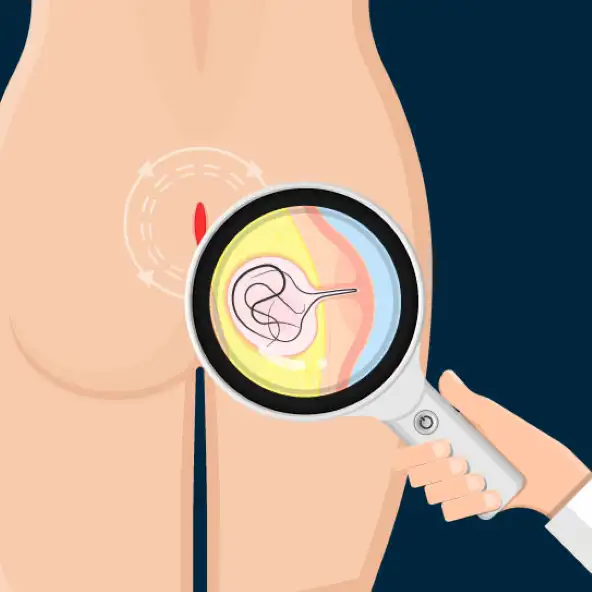
Laser Pilonidal Sinus Treatment
Pilonidal sinus is a small tunnel or cavity that usually develops in the cleft near the tailbone. It may cause pain, swelling, redness, pus discharge, bleeding, foul smell or repeated infection in the lower back area.
Treatment depends on whether the sinus is newly infected, recurrent, abscess-forming or chronic. Dr. Hardik Shah evaluates the sinus opening, infection and patient factors before advising medicines, drainage or a suitable surgical procedure.
- Painful swelling or lump near the tailbone or buttock cleft
- Pus, blood or foul-smelling discharge from a small opening
- Recurrent boils, redness or infection in the same area
- Difficulty sitting, walking or working due to pain near the lower back
Careful evaluation before pilonidal sinus treatment
Pilonidal sinus treatment is planned after checking the sinus opening, infection severity, recurrence history and suitability for the required procedure.
- Review of pain, swelling, discharge, fever and previous episodes of infection.
- Clinical examination to assess the sinus opening, surrounding skin and abscess formation.
- Assessment of hygiene, hair growth, sitting pattern and recurrence risk factors.
- Discussion of medicines, drainage, laser or surgical options based on clinical findings.
How pilonidal sinus treatment is performed
The treatment method depends on whether there is active infection, abscess, chronic sinus tract or repeated recurrence.
- If an abscess is present, drainage may be needed first to control infection and pain.
- For chronic or recurrent sinus, the tract may need to be cleaned, removed or treated using a suitable surgical method.
- Laser or minimally invasive treatment may be considered in selected cases where clinically suitable.
- The aim is to treat the sinus while supporting proper wound healing and reducing recurrence risk.
Recovery and follow-up
Recovery guidance is tailored to the operation, diagnosis and overall health. The care plan includes medicines, diet, activity, wound care and follow-up instructions.
- Wound care, dressing instructions and hygiene guidance are explained after treatment.
- Medicines, pain control and follow-up visits should be followed as advised.
- Keeping the area clean, dry and free from excess hair may help reduce recurrence risk.
- Fever, increasing pain, swelling, bleeding or foul discharge should be reported promptly.
Treatment suitability, recovery time and procedure choice vary from patient to patient. Please consult the doctor for examination-based advice.