Laparoscopic Adhesiolysis
Keyhole surgery to release internal adhesions that may contribute to pain, bowel obstruction or surgical complexity.
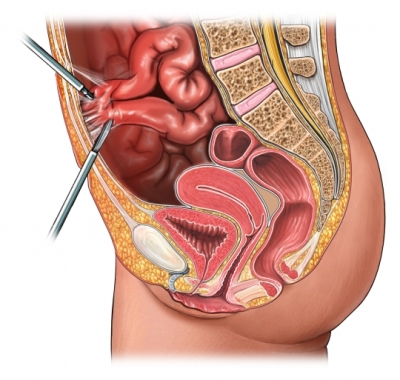
Laparoscopic Adhesiolysis
Adhesions are internal scar bands that may form after previous surgery, infection, inflammation or injury. They can sometimes cause abdominal pain, bowel obstruction or difficulty during repeat operations.
Laparoscopic adhesiolysis uses a camera-guided approach to carefully divide adhesions when surgery is appropriate and safe.
- Recurrent crampy abdominal pain or bloating
- Vomiting, constipation or suspected bowel obstruction
- History of abdominal or pelvic surgery
- Imaging reports suggesting obstruction or adhesions
Planning for laparoscopic adhesiolysis
Adhesiolysis is planned carefully because adhesions can be close to bowel, blood vessels and previous surgical areas.
- Review of previous operation details and current symptoms.
- Assessment of CT scan, sonography or other relevant investigations.
- Decision-making for planned surgery versus urgent obstruction care.
- Discussion of risks, benefits and possible open surgery if needed.
How adhesions are released
During surgery, adhesions are divided only where release is needed and safe for the surrounding organs.
- The abdomen is inspected with a laparoscopic camera.
- Scar bands are identified and separated with controlled technique.
- Bowel and nearby organs are protected throughout the procedure.
- The surgical plan is adjusted if dense adhesions make keyhole surgery unsafe.
Recovery and follow-up
Recovery guidance is tailored to the operation, diagnosis and overall health. The care plan includes medicines, diet, activity, wound care and follow-up instructions.
- Bowel movement, diet tolerance and pain are monitored after surgery.
- Early movement is encouraged when clinically appropriate.
- Discharge advice includes wound care and warning symptoms.
- Recurrent vomiting, abdominal swelling or severe pain should be reported.
Treatment suitability, recovery time and procedure choice vary from patient to patient. Please consult the doctor for examination-based advice.