Laparoscopy Gallbladder Surgery
Keyhole gallbladder surgery for symptomatic gallstones, gallbladder inflammation and related digestive discomfort.
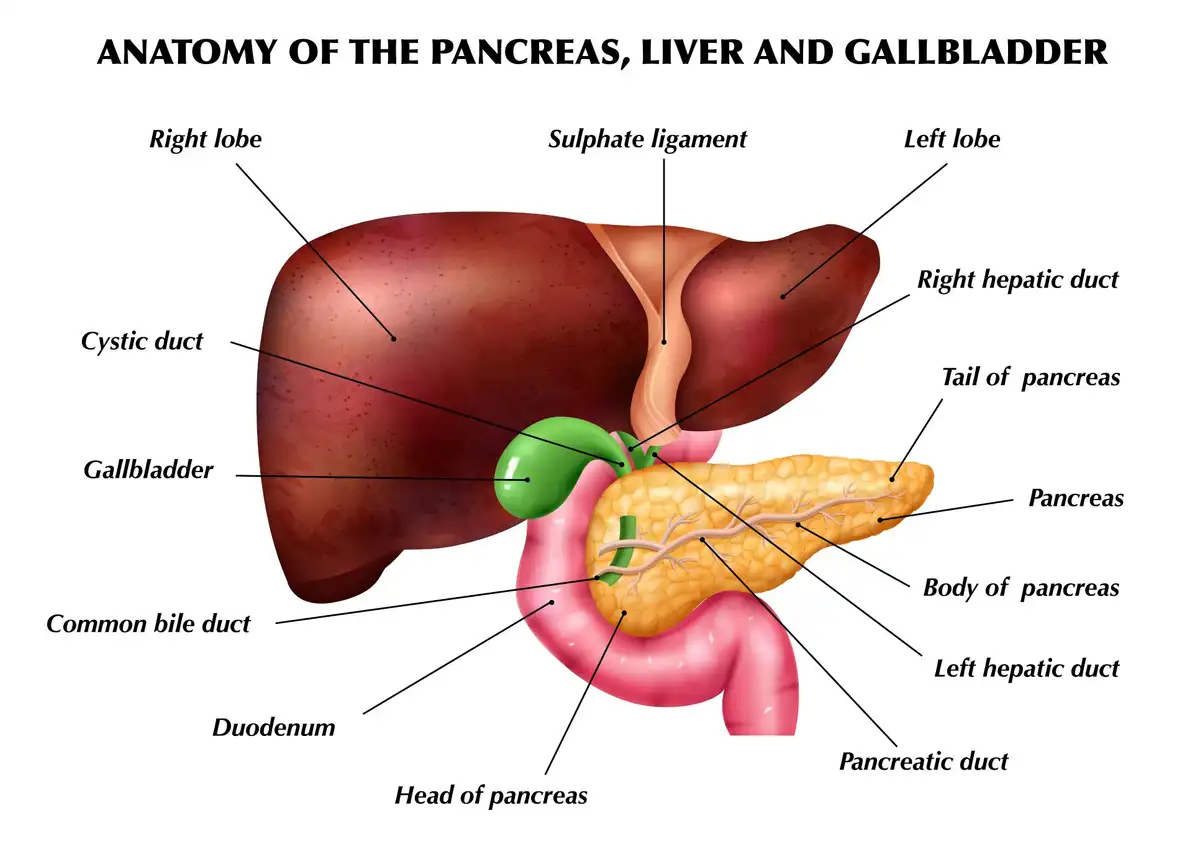
Laparoscopy Gallbladder Surgery
Gallstones and gallbladder inflammation can cause pain in the upper abdomen, nausea, vomiting, fever or repeated discomfort after meals.
Laparoscopic gallbladder surgery, also called laparoscopic cholecystectomy, removes the gallbladder through small incisions and is commonly advised for symptomatic gallstone disease.
- Upper right abdominal pain or pain below the ribs
- Nausea, vomiting or fever with abdominal pain
- Pain after oily or heavy meals
- Gallstones or gallbladder inflammation on sonography
Planning for gallbladder surgery
The treatment plan depends on symptoms, sonography findings, blood reports and any signs of infection or bile duct involvement.
- Review of sonography, liver function tests and current medicines.
- Assessment for acute infection, jaundice, pancreatitis or previous attacks.
- Discussion of laparoscopic surgery, anesthesia and possible open conversion.
- Pre-surgery guidance for fasting, medicines and admission planning.
How laparoscopic gallbladder surgery is performed
The gallbladder is removed through small ports using a camera-guided approach when the anatomy and inflammation allow safe progress.
- Small keyhole incisions are made for the camera and instruments.
- The gallbladder duct and blood supply are identified and secured.
- The gallbladder is separated from the liver bed and removed safely.
- Additional safety steps are taken when inflammation or scarring is present.
Recovery and follow-up
Recovery guidance is tailored to the operation, diagnosis and overall health. The care plan includes medicines, diet, activity, wound care and follow-up instructions.
- Walking and light activity usually start early as advised.
- Diet is advanced gradually, with guidance on heavy or fatty meals.
- Wound care and pain medicines are explained before discharge.
- Fever, jaundice, severe pain or vomiting should be reviewed quickly.
Treatment suitability, recovery time and procedure choice vary from patient to patient. Please consult the doctor for examination-based advice.