Fistula & Fissures Surgery
Surgical planning for anal fistula and fissure symptoms such as discharge, pain, bleeding and spasm.
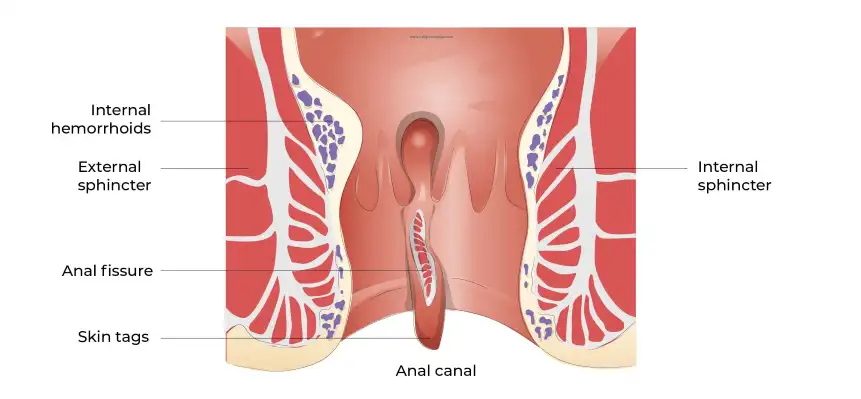
Fistula & Fissures Surgery
Anal fistula is an abnormal tract that may cause repeated pus or blood discharge near the anus. Anal fissure is a tear in the anal lining that can cause sharp pain and bleeding during stool.
Fistula and fissure surgery is planned only after examination, symptom review and assessment of tract complexity, spasm, infection and recurrence risk.
- Repeated pus, blood or fluid discharge near the anus
- Recurrent abscess, swelling or pain around the anus
- Sharp pain or burning during and after stool
- Bright red bleeding, spasm or non-healing fissure symptoms
Planning for fistula and fissure surgery
A careful diagnosis helps choose treatment that supports healing while protecting continence and comfort.
- Examination to identify fistula openings, fissure location or spasm.
- Imaging or additional tests for complex or recurrent fistula when needed.
- Assessment for infection, abscess, constipation and previous procedures.
- Discussion of expected wound care, follow-up and recurrence prevention.
Treatment options for fistula and fissures
Treatment may include medicines, drainage, laser or surgery depending on the diagnosis and severity.
- Fistula treatment may include drainage, fistulotomy, seton or laser in selected cases.
- Fissure care may start with stool-softening measures and medicines.
- Chronic fissure may need a procedure after specialist evaluation.
- Follow-up focuses on wound healing, bowel habits and symptom relief.
Recovery and follow-up
Recovery guidance is tailored to the operation, diagnosis and overall health. The care plan includes medicines, diet, activity, wound care and follow-up instructions.
- Keep the area clean and follow dressing instructions carefully.
- Maintain soft stools and avoid straining during healing.
- Complete medicines and review visits as advised.
- Increasing swelling, fever, heavy bleeding or uncontrolled pain needs review.
Treatment suitability, recovery time and procedure choice vary from patient to patient. Please consult the doctor for examination-based advice.