Laser Fissure Treatment
Diagnosis-led treatment for anal fissure, planned after examination of pain, bleeding, constipation and clinical suitability.
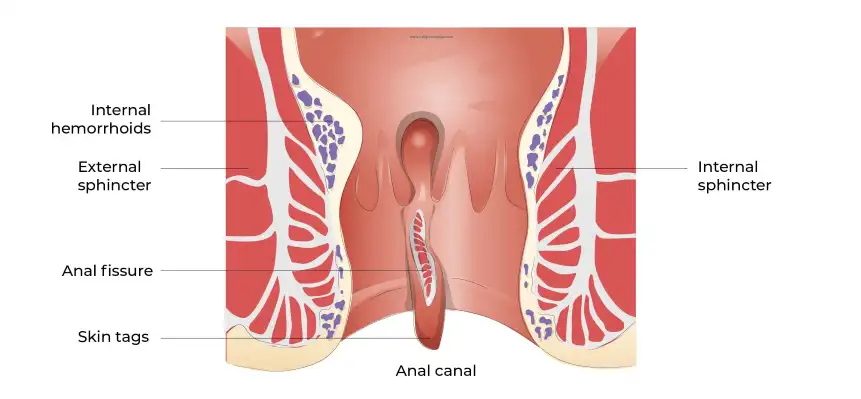
Laser Fissure Treatment
An anal fissure is a small tear or cut in the lining of the anal canal. It may cause sharp pain during or after passing stool, bleeding, burning, itching or fear of passing motion due to discomfort.
Fissure treatment depends on the duration, severity and cause of symptoms. Dr. Hardik Shah evaluates the patient carefully and may advise medicines, bowel care, lifestyle correction or a suitable procedure when required.
- Sharp pain or burning while passing stool
- Bleeding seen on stool, tissue paper or in the toilet
- Constipation, hard stool or repeated straining
- Anal pain that keeps returning despite home remedies or medicines
Careful evaluation before fissure treatment
Fissure treatment is planned after understanding whether the fissure is acute, chronic, recurrent or associated with constipation or sphincter tightness.
- Review of pain pattern, bleeding history, bowel habits and constipation.
- Clinical examination to assess fissure location, severity and associated swelling or skin tag.
- Assessment of diet, water intake, stool hardness and lifestyle factors.
- Discussion of medicines, local care and whether a procedure is required.
How fissure treatment is planned and performed
Many fissures improve with medicines and bowel correction, while chronic or non-healing fissures may need a procedure after clinical assessment.
- Initial care may include stool softeners, fibre, hydration, local ointments and sitz bath.
- If the fissure is chronic or not healing, a suitable procedure may be advised to reduce pain and support healing.
- Laser or other minimally invasive options may be considered where clinically suitable.
- The treatment approach is selected based on fissure severity, sphincter tightness, pain, bleeding and patient condition.
Recovery and follow-up
Recovery guidance is tailored to the operation, diagnosis and overall health. The care plan includes medicines, diet, activity, wound care and follow-up instructions.
- Maintain soft stools with fibre-rich food, fluids and medicines as advised.
- Avoid straining, long toilet sitting and ignoring the urge to pass stool.
- Sitz bath and local care may help reduce pain and support healing when advised.
- Increasing pain, heavy bleeding, fever, pus discharge or difficulty passing stool should be reported promptly.
Treatment suitability, recovery time and procedure choice vary from patient to patient. Please consult the doctor for examination-based advice.