Laparoscopic Appendectomy
Minimally invasive appendix surgery for appendicitis, planned after clinical assessment and reports.
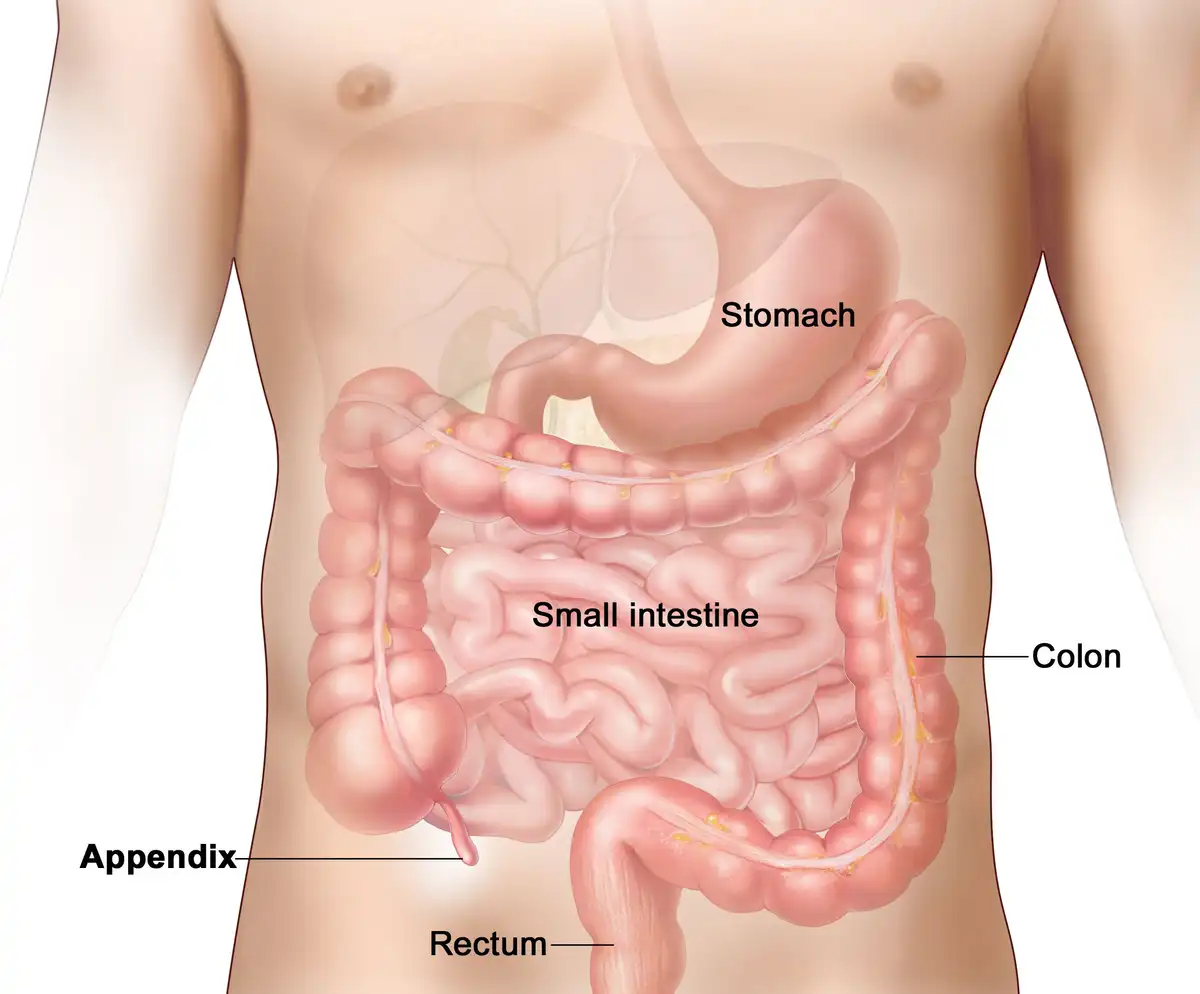
Laparoscopic Appendectomy
Appendicitis can cause abdominal pain, fever, nausea and worsening tenderness, often in the right lower abdomen. Timely evaluation helps prevent complications such as perforation or abscess.
Laparoscopic appendectomy removes the appendix through small keyhole incisions when the patient is suitable. Dr. Hardik Shah plans care after reviewing symptoms, examination findings and required investigations.
- Right lower abdominal pain or worsening tenderness
- Fever, nausea, vomiting or loss of appetite
- Pain that increases while walking, coughing or moving
- Appendix inflammation reported on sonography or CT scan
Diagnosis-led planning for laparoscopic appendectomy
Appendix surgery is planned after confirming the diagnosis, infection severity and urgency of care.
- Review of pain pattern, fever history and abdominal examination.
- Blood reports and imaging review when needed to confirm appendicitis.
- Assessment for uncomplicated, perforated or abscess-forming appendicitis.
- Explanation of anesthesia, keyhole surgery and possible open conversion.
How laparoscopic appendectomy is performed
The procedure is usually performed under anesthesia through small keyhole incisions when it is safe for the patient.
- A camera is used to inspect the appendix and surrounding abdomen.
- The inflamed appendix is carefully separated, secured and removed.
- The abdomen is checked for pus, fluid or other infection-related changes.
- Open surgery may be chosen when infection, swelling or safety requires it.
Recovery and follow-up
Recovery guidance is tailored to the operation, diagnosis and overall health. The care plan includes medicines, diet, activity, wound care and follow-up instructions.
- Early walking is encouraged as advised after surgery.
- Diet is restarted gradually based on bowel recovery and comfort.
- Incision care, medicines and review visits are explained before discharge.
- Fever, increasing pain, vomiting or wound discharge should be reported promptly.
Treatment suitability, recovery time and procedure choice vary from patient to patient. Please consult the doctor for examination-based advice.