Circumcision Surgery (ZSR)
ZSR stapler circumcision for selected foreskin conditions, planned with privacy and clear recovery guidance.
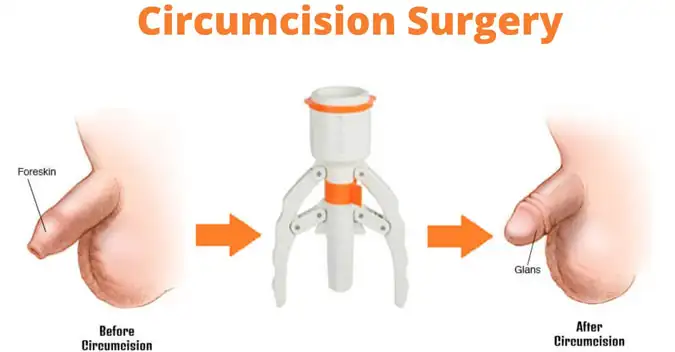
Circumcision Surgery (ZSR)
Circumcision removes the foreskin and may be advised for tight foreskin, recurrent infection, painful cracks, hygiene difficulty or selected medical conditions.
ZSR circumcision uses a stapler-based device in suitable patients. The choice of technique is made after examination and discussion of benefits, limitations and recovery care.
- Tight foreskin or difficulty retracting the foreskin
- Recurrent redness, swelling or infection
- Painful cracks, bleeding or discomfort during activity
- Hygiene difficulty due to phimosis or scarring
Planning for ZSR circumcision
Circumcision planning includes examination, infection control and choosing the safest technique for the condition.
- Assessment of phimosis, scarring, infection or diabetes-related risks.
- Discussion of ZSR circumcision and alternative techniques if needed.
- Pre-procedure advice for medicines, hygiene and fasting when required.
- Clear explanation of expected swelling, staples and recovery timeline.
How ZSR circumcision is performed
The ZSR device removes the foreskin and places staples in a controlled circular line in selected suitable cases.
- The procedure is performed under appropriate anesthesia or local anesthesia as advised.
- The foreskin is measured and removed with the stapler device.
- Dressing and hygiene instructions are given before discharge.
- Another technique may be selected if anatomy or infection makes ZSR unsuitable.
Recovery and follow-up
Recovery guidance is tailored to the operation, diagnosis and overall health. The care plan includes medicines, diet, activity, wound care and follow-up instructions.
- Keep the area clean and dry as advised.
- Take medicines and follow dressing instructions exactly.
- Avoid sexual activity and strenuous exercise until cleared.
- Excessive swelling, bleeding, fever or urinary difficulty needs review.
Treatment suitability, recovery time and procedure choice vary from patient to patient. Please consult the doctor for examination-based advice.