Dr. Hardik Shah is a specialist in laparoscopic GI surgery, gastrointestinal, colorectal, and proctological conditions. After completing his MBBS and DNB in General Surgery from Mumbai, he has developed focused expertise in advanced laparoscopic procedures, complex GI surgery, laser proctology, and varicose vein treatment planning.
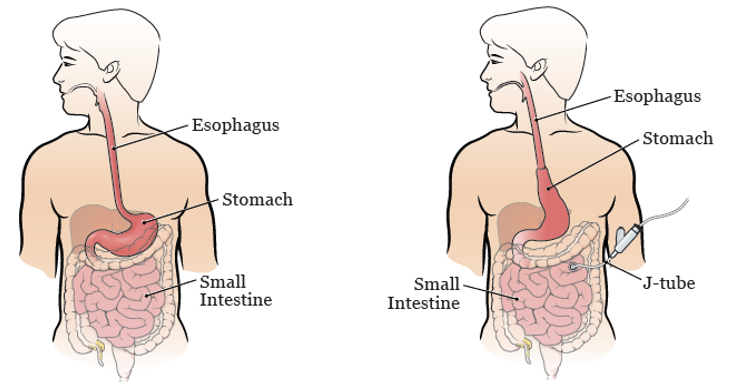
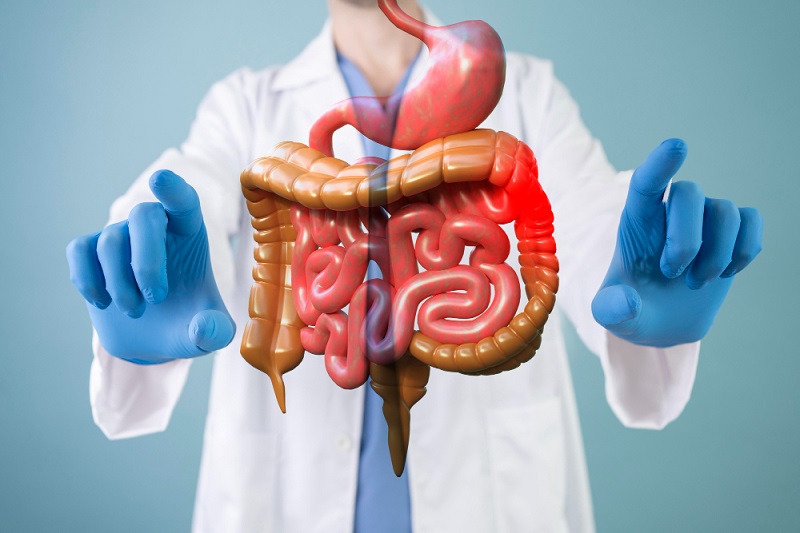
Gastrointestinal (GI) conditions can affect the oesophagus, stomach, pancreas, spleen, and other parts of the digestive system. Some conditions may require specialized surgical treatment when medicines, lifestyle changes, or other treatments are not sufficient.
Dr. Hardik Shah provides evaluation and personalized treatment planning for various gastrointestinal conditions and surgical procedures based on the patient’s diagnosis, symptoms, medical history, and overall health.
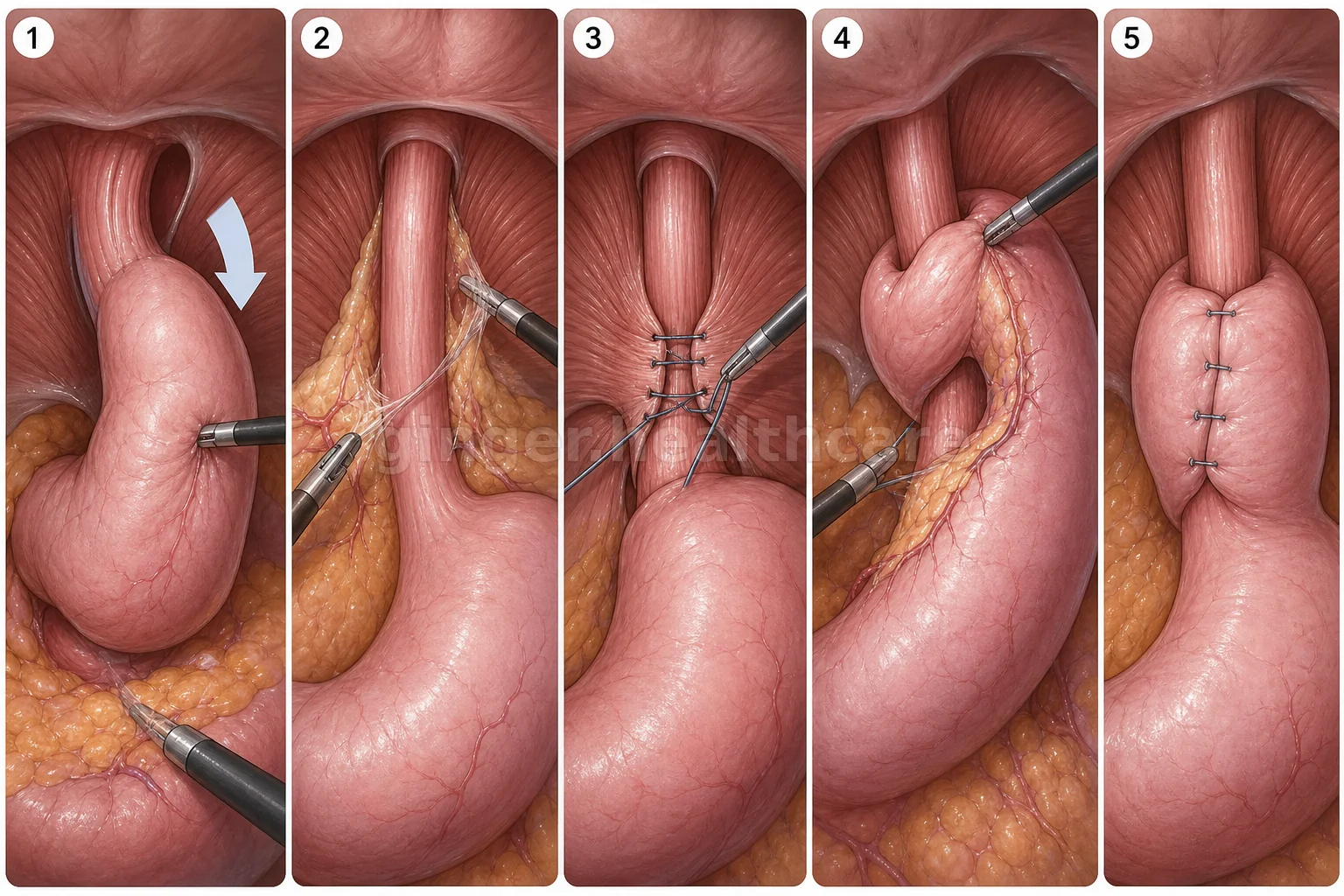
Anti-reflux surgery is performed to treat severe or persistent acid reflux and gastroesophageal reflux disease (GERD) when symptoms do not respond adequately to medications or when complications develop.
The procedure helps improve the barrier between the stomach and oesophagus to reduce the backflow of stomach contents. A detailed evaluation is performed to determine whether surgery is suitable for the patient.
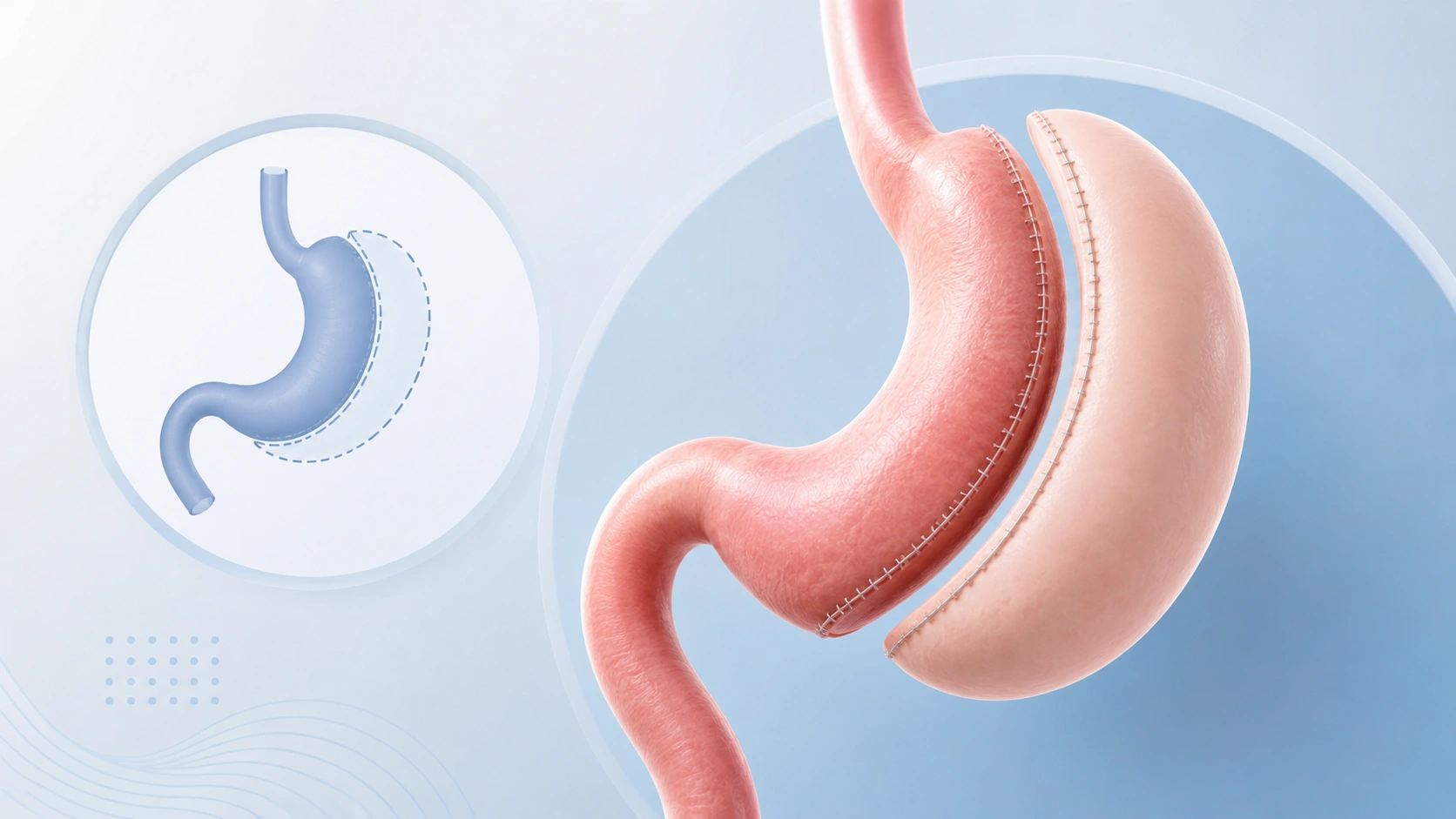
Gastrectomy is a surgical procedure to remove part or, in some cases, most of the stomach. It may be recommended for certain stomach conditions, including specific cancers and other serious diseases.
The extent of stomach removal depends on the underlying condition and the area affected. Treatment is carefully planned after appropriate investigations and medical evaluation.
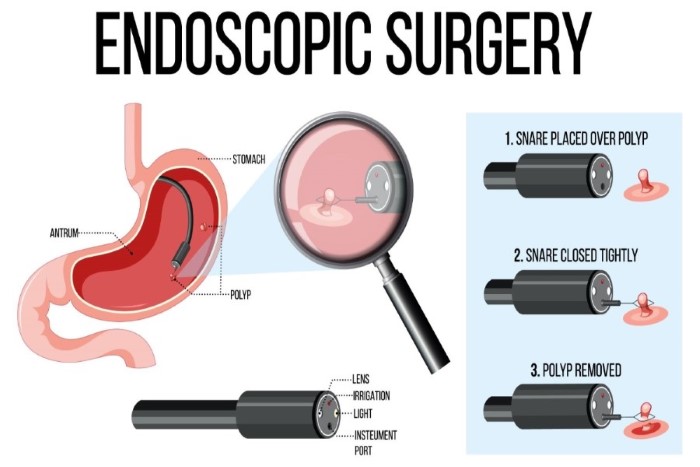
Endoscopy is a minimally invasive procedure used to examine the upper digestive system, including the oesophagus, stomach, and the first part of the small intestine.
It can help diagnose conditions such as ulcers, inflammation, bleeding, reflux-related changes, and other gastrointestinal problems. In selected cases, endoscopy can also be used to take a biopsy or perform certain treatments.
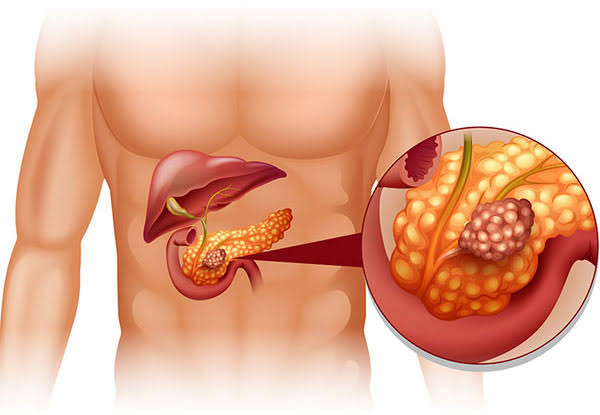
Chronic pancreatitis is a long-term inflammatory condition of the pancreas that can cause recurring abdominal pain and digestive problems.
Treatment depends on the underlying cause, severity, symptoms, and complications. While many cases can be managed with medical and endoscopic treatment, surgery may be considered in selected patients with persistent symptoms or complications.
Esophagectomy is a major surgical procedure in which part or most of the oesophagus is removed and the digestive tract is reconstructed.
It may be recommended for selected serious oesophageal conditions, including certain types of oesophageal cancer. The surgical approach depends on the location and extent of the disease and the patient’s overall health.
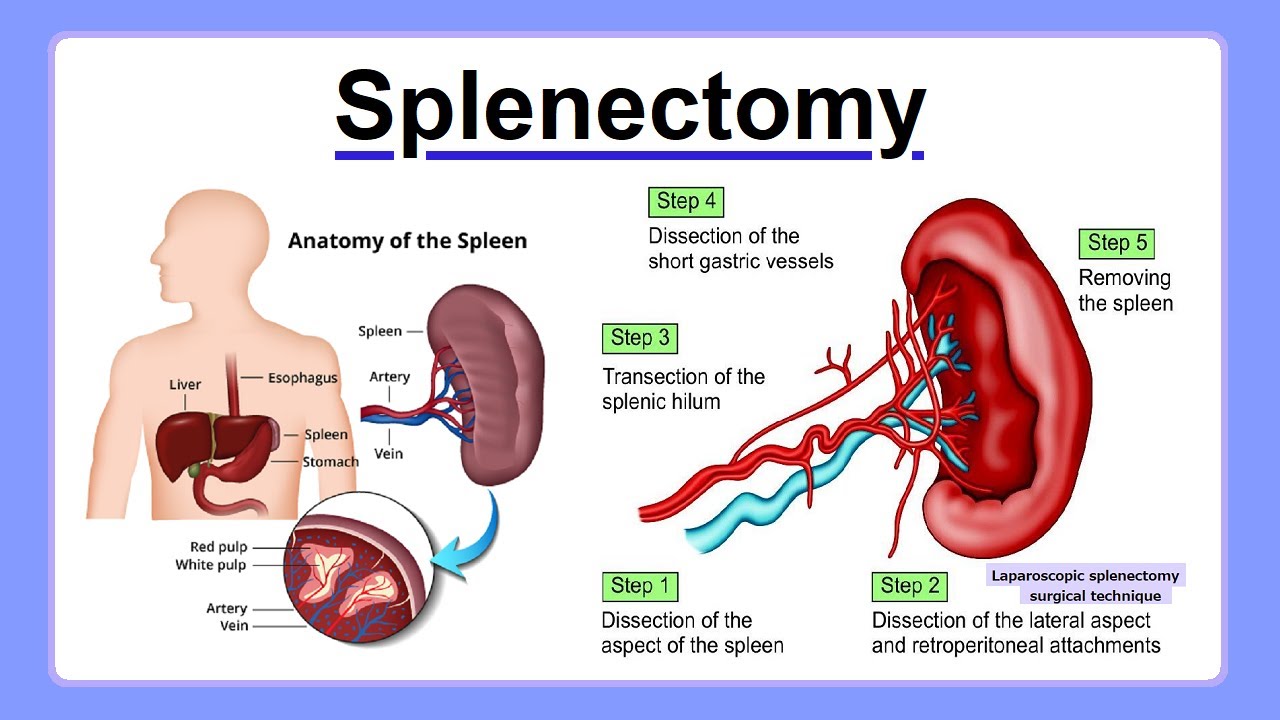
Splenectomy is a surgical procedure to remove the spleen. It may be required for certain spleen-related conditions, blood disorders, traumatic injuries, or other medical conditions where removal of the spleen is necessary.
Before surgery, the patient’s condition is carefully evaluated, and appropriate precautions and vaccination may be recommended when required.
Accurate diagnosis is an important part of planning gastrointestinal treatment. Depending on the patient’s symptoms and condition, evaluation may include:
The recommended tests depend on the suspected condition and individual medical needs.
Some gastrointestinal procedures may be performed using laparoscopic or minimally invasive techniques when clinically appropriate. These approaches generally involve smaller incisions and may support recovery in suitable patients.
The surgical approach depends on the specific procedure, condition, and overall health of the patient.
Recovery depends on the type of surgery, the patient’s overall health, and the surgical technique used. Patients may receive guidance regarding diet, medications, wound care, physical activity, and follow-up appointments.
Following post-operative instructions and attending scheduled follow-ups are important for safe recovery.
You should seek specialist evaluation for persistent or recurring symptoms such as:
A proper evaluation can help identify the underlying condition and determine whether surgical or non-surgical treatment is appropriate.
Every gastrointestinal condition is different. Dr. Hardik Shah evaluates each patient’s symptoms, diagnosis, medical history, and overall health before recommending an appropriate treatment approach.
Whether treatment involves anti-reflux surgery, gastrectomy, endoscopy, chronic pancreatitis management, esophagectomy, or splenectomy, the goal is to provide appropriate surgical care based on the individual patient’s needs.
Other GI surgeries may include anti-reflux surgery, gastrectomy, endoscopy, surgery for chronic pancreatitis, esophagectomy, and splenectomy, depending on the patient's condition.
GI surgery may be recommended when a gastrointestinal condition causes persistent symptoms, complications, or does not respond adequately to medicines or other non-surgical treatments.
Endoscopy is a minimally invasive procedure used to examine and diagnose conditions affecting the upper digestive system. In selected cases, it can also be used for biopsies or certain treatments.
Some GI procedures can be performed using laparoscopic or minimally invasive techniques. The appropriate approach depends on the condition, procedure, and patient's overall health.
The treatment is decided after evaluating the patient's symptoms, medical history, diagnostic test results, and overall health. The specialist then recommends the most appropriate surgical or non-surgical treatment