Gall Bladder

Inquiry Form

Services Form

Gallbladder Surgery in Ahmedabad

Advanced Laparoscopic & Robotic Gallbladder Surgery by Dr. Hardik Shah

Gallbladder problems can affect your digestion, daily comfort, and overall quality of life. At Dr. Hardik Shah’s surgical practice in Ahmedabad, patients receive specialized consultation and treatment planning for gallbladder conditions, including gallstones and other disorders that may require surgical intervention.

With expertise in laparoscopic GI surgery, Dr. Hardik Shah focuses on appropriate minimally invasive surgical approaches for eligible patients. Laparoscopic gallbladder surgery, commonly known as laparoscopic cholecystectomy, is a widely used procedure for removing the gallbladder when surgery is medically indicated. Robotic-assisted approaches may also be considered depending on the patient’s condition, surgical requirements, and available facilities.

The goal is to provide accurate diagnosis, personalized treatment planning, and safe surgical care while helping patients understand their treatment options and recovery process.

What Is Gallbladder Surgery?

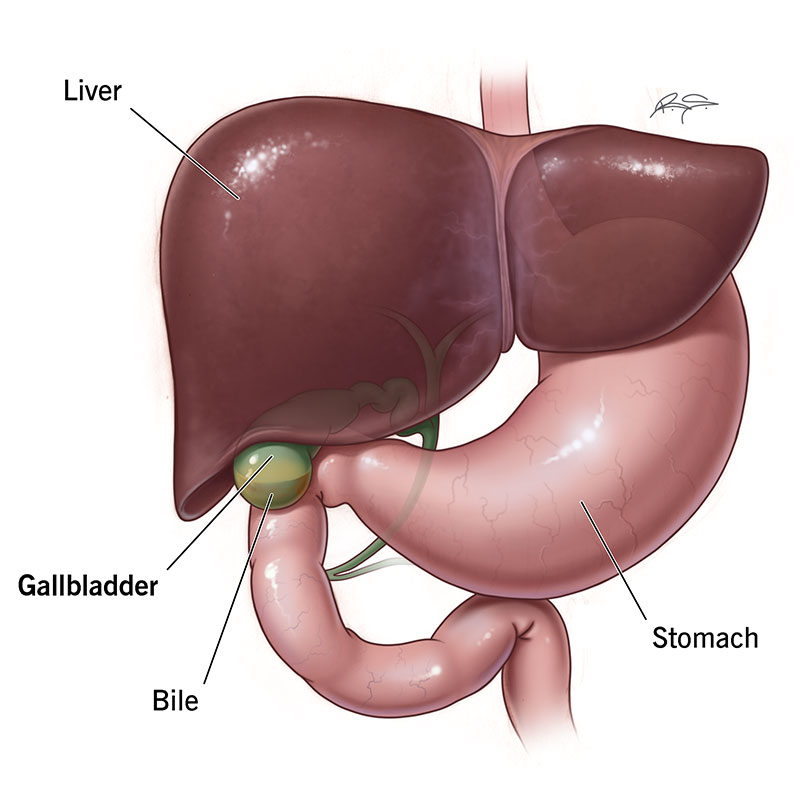
Gallbladder surgery is a procedure performed to remove the gallbladder, most commonly because of gallstones or other gallbladder conditions causing symptoms or complications. The gallbladder is a small, pear-shaped organ located beneath the liver. It stores and concentrates bile, a digestive fluid produced by the liver that helps break down fats.

When gallstones or other problems affect the gallbladder, they may cause abdominal pain, digestive discomfort, inflammation, or complications involving the bile ducts and pancreas. In certain cases, surgical removal of the gallbladder may be recommended to prevent recurring symptoms or further complications.

Laparoscopic cholecystectomy is one of the most commonly performed methods of gallbladder removal. It uses small incisions and specialized surgical instruments to remove the gallbladder.

Common Gallbladder Conditions Treated

Dr. Hardik Shah provides specialized consultation for various gallbladder conditions. Treatment recommendations depend on the patient’s symptoms, medical history, and diagnostic findings.

1. Gallstones (Cholelithiasis)

Gallstones are hardened deposits that develop inside the gallbladder. They may cause abdominal pain, nausea, bloating, and discomfort, particularly after eating fatty foods. When gallstones cause recurring symptoms or complications, gallbladder removal may be recommended.

2. Acute Cholecystitis

Acute cholecystitis is inflammation of the gallbladder, often caused by a gallstone blocking the cystic duct. It may result in severe upper abdominal pain, fever, nausea, and tenderness. Prompt medical evaluation is important, and surgery may be required depending on the severity and clinical condition.

3. Chronic Cholecystitis

Chronic cholecystitis refers to ongoing or repeated inflammation of the gallbladder. Patients may experience recurrent abdominal discomfort, indigestion, nausea, or intolerance to certain foods. Appropriate evaluation helps determine whether surgical treatment is necessary.

4. Gallbladder Polyps

Gallbladder polyps are growths that develop on the inner lining of the gallbladder. Many are harmless, but some require monitoring or further evaluation based on their size, appearance, and other risk factors.

5. Complicated Gallstone Disease

Gallstones may sometimes lead to complications such as bile duct obstruction, infection, or inflammation of the pancreas. These conditions require timely assessment and an individualized treatment plan.

Symptoms of Gallbladder Problems

Gallbladder conditions may cause different symptoms depending on their type and severity. Common symptoms include:

  • Pain in the upper right or upper middle abdomen
  • Abdominal pain after eating, especially fatty meals
  • Pain that may spread to the back or right shoulder
  • Nausea or vomiting
  • Indigestion and bloating
  • Feeling of fullness after meals
  • Fever or chills in cases of inflammation or infection
  • Yellowing of the skin or eyes in certain bile duct-related conditions

Persistent or severe abdominal pain should not be ignored. A medical evaluation is important to identify the underlying cause and determine the appropriate treatment.

When Is Gallbladder Surgery Required?

Not every person with gallstones needs surgery. Treatment depends on whether the gallstones are causing symptoms, complications, or other significant problems.

Gallbladder surgery may be recommended in cases such as:

  • Recurrent painful gallstone attacks
  • Acute or chronic cholecystitis
  • Gallstones causing repeated digestive discomfort
  • Certain complications involving the bile ducts
  • Gallstone-related pancreatitis
  • Selected gallbladder polyps or other conditions requiring surgical management

Dr. Hardik Shah evaluates the patient’s symptoms, examination findings, imaging reports, and overall health before recommending surgery.

Laparoscopic Gallbladder Surgery

Minimally Invasive Gallbladder Removal

Laparoscopic cholecystectomy is a minimally invasive procedure used to remove the gallbladder. Instead of making one large abdominal incision, the surgeon generally uses several small incisions to introduce a camera and specialized instruments.

The camera provides a magnified view of the surgical area, allowing the surgeon to identify and carefully manage the gallbladder and surrounding structures.

How Is Laparoscopic Cholecystectomy Performed?

The procedure generally involves the following steps:

1. Anesthesia
The surgery is usually performed under general anesthesia.

2. Small Incisions
The surgeon creates small openings in the abdomen to introduce the camera and surgical instruments.

3. Examination of the Surgical Area
The abdominal cavity and gallbladder are carefully examined.

4. Gallbladder Removal
The gallbladder is separated from surrounding tissues and removed through one of the small incisions.

5. Completion of Surgery
The instruments are removed, and the incisions are closed appropriately.

The exact surgical technique may vary depending on the patient’s anatomy, inflammation, previous surgeries, and other clinical factors.

Robotic Gallbladder Surgery

Advanced Robotic-Assisted Surgical Approach

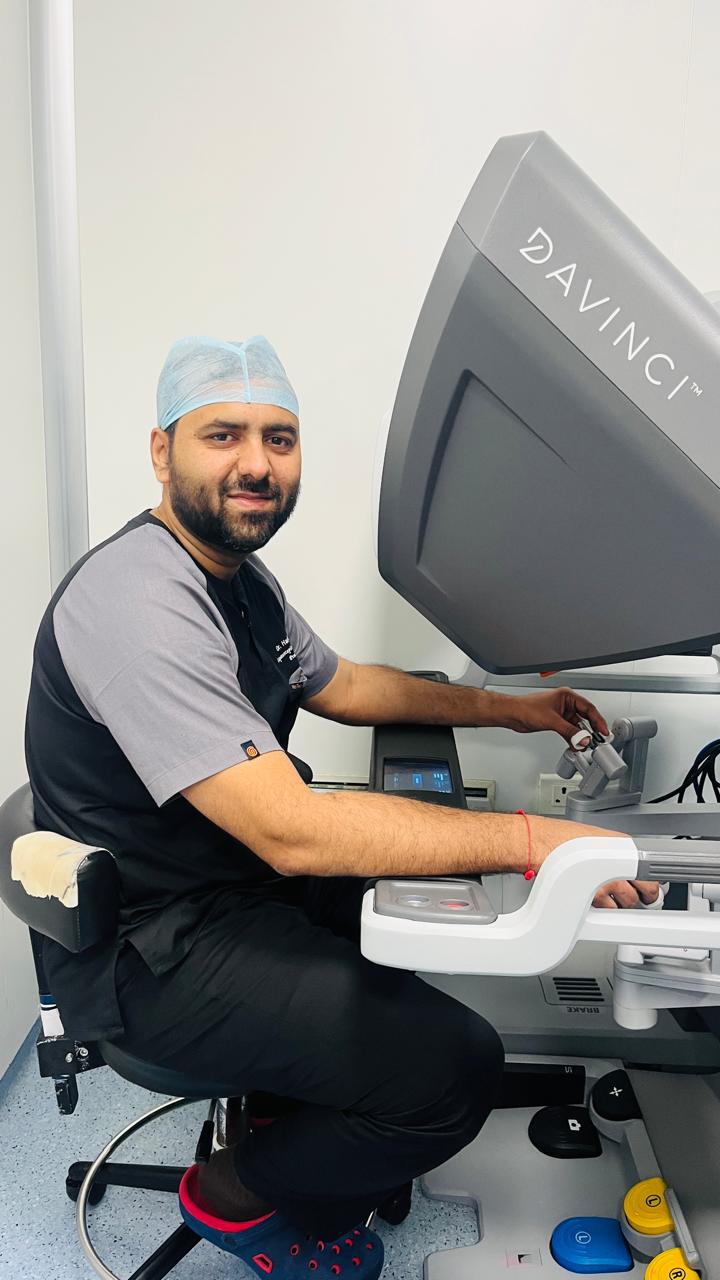
Robotic-assisted surgery is a minimally invasive surgical approach that uses a robotic surgical system controlled by a trained surgeon. The system allows the surgeon to manipulate specialized instruments with enhanced precision and visualization.

For selected gallbladder procedures, robotic-assisted surgery may be considered based on the patient’s condition, surgical complexity, and the availability of appropriate technology.

Potential Advantages

Depending on the procedure and individual patient factors, robotic-assisted surgery may offer:

  • Enhanced visualization of the surgical area
  • Precise instrument control
  • Flexible movement of specialized instruments
  • Small surgical incisions
  • Potentially smoother recovery in selected cases

Robotic surgery is not suitable or necessary for every patient. Dr. Hardik Shah can help determine which surgical approach is appropriate following a detailed evaluation.

Benefits of Laparoscopic Gallbladder Surgery

🔸 Conservative Treatment

When clinically appropriate, laparoscopic gallbladder removal may offer several advantages compared with traditional open surgery:

Smaller Incisions

The procedure generally involves small abdominal incisions, which may result in smaller scars.

Reduced Surgical Trauma

Laparoscopic surgery avoids the larger incision used in conventional open surgery.

Potentially Faster Recovery

Many patients can return to their usual activities sooner than they might after open surgery, although recovery varies.

Shorter Hospital Stay

Some patients may be able to leave the hospital on the same day or after a short observation period, depending on their condition and the hospital’s protocol.

Effective Treatment

Removing the gallbladder can help prevent recurrent symptoms caused by symptomatic gallstones and certain other gallbladder conditions.

The benefits and recovery time depend on the patient’s overall health, the complexity of the surgery, and whether complications are present.

What Happens After Gallbladder Removal?

The gallbladder stores bile, but it is not essential for digestion. After gallbladder removal, the liver continues to produce bile, which flows directly into the small intestine.

Most people can digest food normally after recovery. Some patients may experience temporary digestive changes, such as loose stools, bloating, or changes in bowel habits. These symptoms often improve over time.

Dr. Hardik Shah provides guidance regarding postoperative care, diet, activity, and follow-up according to the patient’s individual recovery needs.

Recovery After Laparoscopic Gallbladder Surgery

Recovery varies from person to person. Patients are generally advised to:

  • Follow the surgeon’s postoperative instructions.
  • Keep the incision areas clean and dry as advised.
  • Gradually return to normal activities.
  • Avoid strenuous activity until medically cleared.
  • Follow dietary recommendations during the initial recovery period.
  • Attend scheduled follow-up appointments.
  • Report unusual pain, fever, wound discharge, or other concerning symptoms.

Many patients resume light daily activities within a few days, while complete recovery may take longer depending on the individual circumstances and nature of the surgery.

Why Choose Dr. Hardik Shah for Gallbladder Surgery?

Specialized GI Surgical Expertise

Dr. Hardik Shah focuses on laparoscopic gastrointestinal surgery and provides specialized consultation for gallbladder conditions.

Personalized Treatment Planning

Each patient receives an individualized assessment to determine whether surgery is appropriate and which treatment approach best suits their condition.

Minimally Invasive Surgical Options

Laparoscopic techniques may be considered when suitable, with attention to surgical precision, patient safety, and recovery.

Comprehensive Surgical Guidance

From initial evaluation to postoperative care, patients receive guidance regarding their diagnosis, treatment options, and recovery process.

Patient-Centered Care

Dr. Hardik Shah emphasizes clear communication, careful evaluation, and treatment planning based on each patient’s medical needs.

Gallbladder Surgery at Radiance Multi-speciality Hospital, Ahmedabad

Dr. Hardik Shah provides specialized consultation for gallbladder conditions at Radiance Multi-speciality Hospital, Ahmedabad. Patients experiencing recurring abdominal pain, gallstones, or other gallbladder-related symptoms can seek an evaluation to understand their condition and available treatment options.

Whether laparoscopic gallbladder surgery or another treatment approach is appropriate, the decision is made after reviewing the patient’s symptoms, diagnostic findings, and overall health.

📌 Frequently Asked Questions About Gallbladder Surgery

Gallbladder surgery is a procedure to remove the gallbladder, most commonly to treat symptomatic gallstones or other gallbladder conditions that require surgical management.

Laparoscopic cholecystectomy is a minimally invasive procedure to remove the gallbladder through small abdominal incisions using a camera and specialized surgical instruments.

No. Gallstones that do not cause symptoms may not require surgery. Surgical treatment is generally considered when gallstones cause symptoms or complications.

Common symptoms include upper abdominal pain, nausea, vomiting, bloating, and discomfort after meals. Severe or persistent symptoms require medical evaluation.

Laparoscopic gallbladder surgery is widely performed and is generally safe when appropriately indicated. Like all surgeries, it carries potential risks, which should be discussed with the surgeon.

The duration varies depending on the patient’s condition, anatomy, and surgical complexity. Your surgeon can provide a more accurate estimate after evaluation.

Many patients return to light activities within a few days, but complete recovery varies. Recovery may take longer if the surgery is complex or complications occur.

Yes. Most people can live normally without a gallbladder because the liver continues to produce bile for digestion.

Robotic gallbladder surgery is a minimally invasive procedure performed using a robotic surgical system controlled by a trained surgeon. Its suitability depends on the patient and the available surgical facilities.

You can contact Radiance Multi-speciality Hospital, Ahmedabad, to enquire about consultation availability and schedule an appointment with Dr. Hardik Shah.