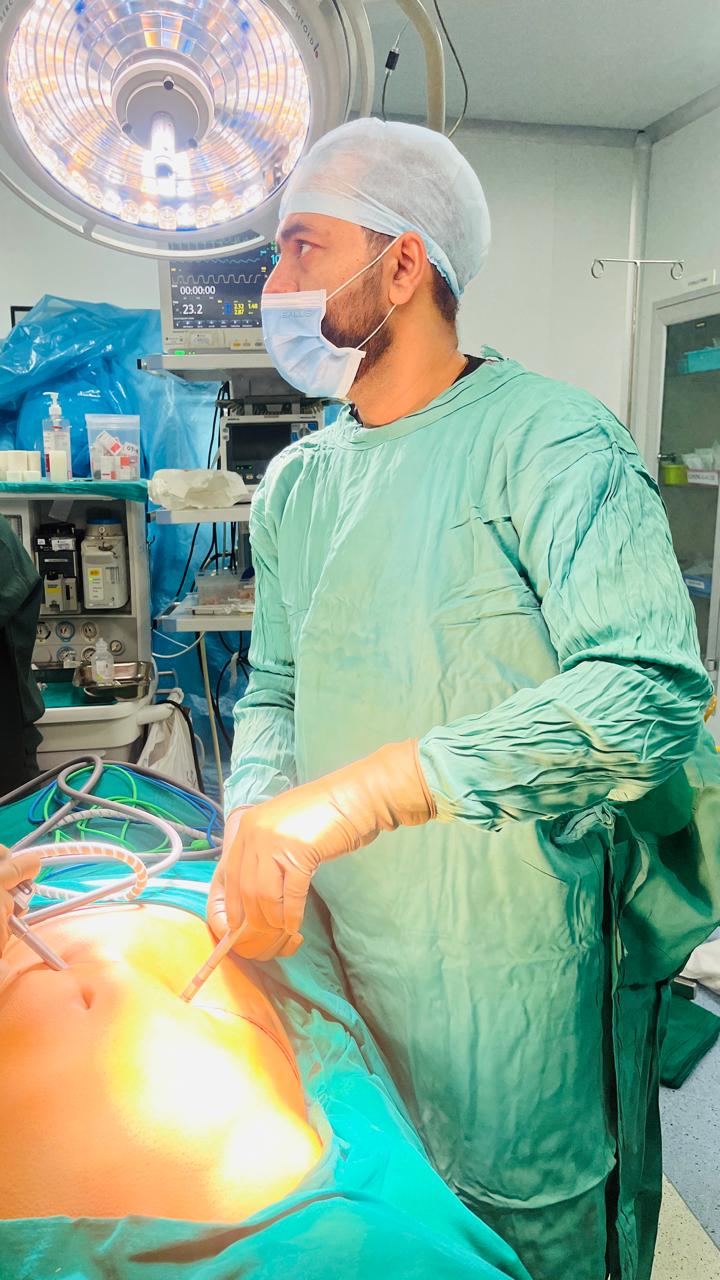
Dr. Hardik Shah is a specialist in laparoscopic GI surgery, gastrointestinal, colorectal, and proctological conditions. After completing his MBBS and DNB in General Surgery from Mumbai, he has developed focused expertise in advanced laparoscopic procedures, complex GI surgery, laser proctology, and varicose vein treatment planning.
Piles, anal fissures, and fistulas are common anorectal conditions that can cause pain, bleeding, swelling, itching, and discomfort during bowel movements. While some cases can improve with medicines, dietary changes, and lifestyle modifications, persistent or complicated conditions may require surgical treatment.
If you are looking for piles, fissure and fistula treatment in Ahmedabad, Dr. Hardik Shah provides evaluation and personalized treatment based on the type and severity of your condition.
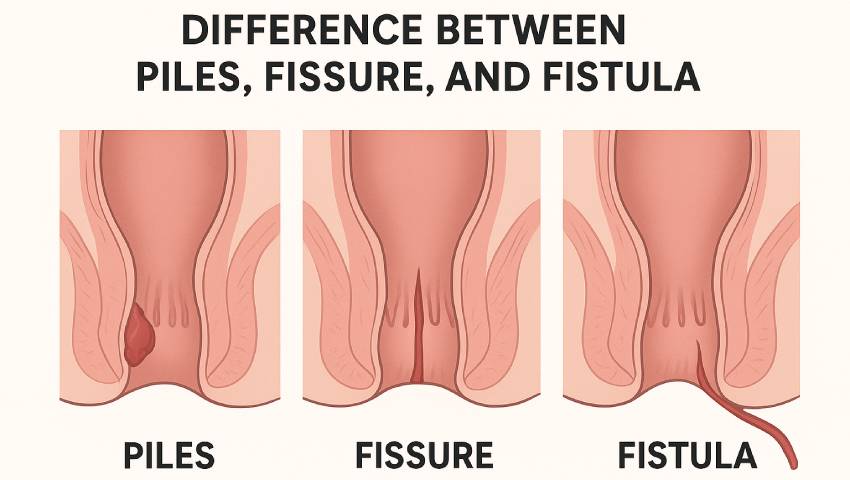
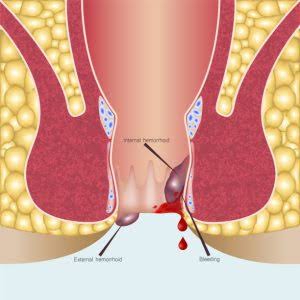
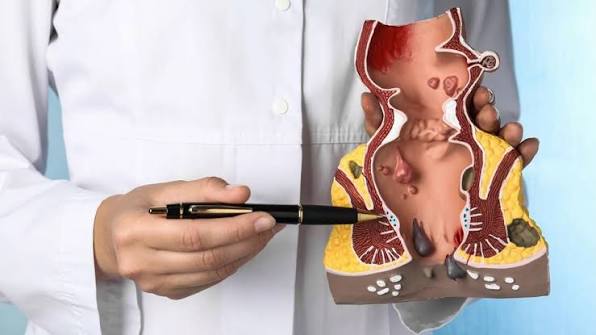
Piles, also called hemorrhoids, are swollen blood vessels around the anus or lower rectum. They may cause bleeding during bowel movements, itching, pain, swelling, or a lump around the anus.
An anal fissure is a small tear in the lining of the anus. It commonly causes sharp pain during or after passing stool and may result in a small amount of bright-red bleeding.
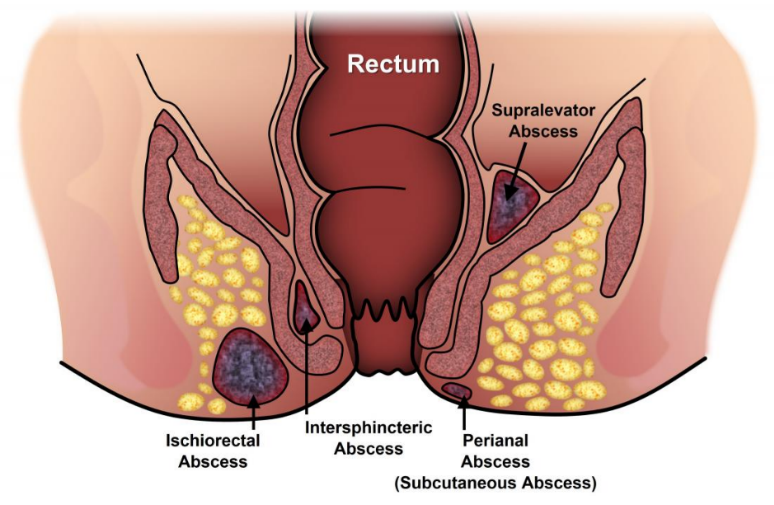
An anal fistula is an abnormal tunnel that develops between the inside of the anus or rectum and the skin around the anus. It may develop following an anal abscess and can cause persistent discharge, swelling, pain, or recurrent infection.
Depending on the condition, symptoms may include:
Persistent rectal bleeding or severe anal pain should be medically evaluated rather than self-treated.
Treatment for piles depends on their type and severity. Mild cases may respond to dietary changes, increased fibre and fluids, medicines, and lifestyle modifications.
For persistent or advanced piles, procedures or surgery may be recommended after proper evaluation. The appropriate treatment depends on the patient’s symptoms, examination findings, and overall health.
Treatment for an anal fissure may include dietary and lifestyle changes, medicines, stool-softening measures, and local treatments.
When a fissure becomes chronic or does not respond adequately to conservative treatment, a surgical procedure may be considered. The recommended approach depends on the individual condition.
Anal fistulas generally require careful evaluation to determine the location and pathway of the fistula. Treatment may involve a surgical procedure to address the abnormal tract and reduce the risk of recurrence.
The treatment approach depends on the fistula’s complexity, location, involvement of the anal sphincter, and other individual factors.
When surgery is required, the procedure is selected according to the patient’s diagnosis and severity of disease. The goal is to treat the underlying condition while preserving normal bowel and anal function as much as possible.
A detailed examination helps determine whether a patient requires medication, a minimally invasive procedure, or surgery.
A proper diagnosis is an important part of effective treatment. Depending on symptoms and clinical findings, evaluation may include:
Recovery depends on the type of condition, procedure performed, and individual health. Patients may be advised to maintain a fibre-rich diet, drink adequate fluids, avoid constipation and follow prescribed medicines and wound-care instructions.
Regular follow-up helps monitor healing and recovery.
You should consider medical evaluation if you experience:
Early evaluation can help identify the cause of symptoms and determine the appropriate treatment.
If you are searching for piles treatment in Ahmedabad, fissure treatment in Ahmedabad, fistula treatment in Ahmedabad, or piles, fissure and fistula surgery in Ahmedabad, Dr. Hardik Shah provides personalized evaluation and treatment planning for anorectal conditions.
The treatment approach is based on your symptoms, diagnosis, severity, and overall health, with appropriate guidance throughout the treatment and recovery process.
Common symptoms include anal pain, bleeding during bowel movements, itching, swelling, painful stools, lumps near the anus, and pus or discharge.
Some mild cases of piles and fissures may improve with medicines, dietary changes, fibre-rich foods, and proper bowel habits. Anal fistulas and advanced conditions may require surgery.
Surgery may be recommended when symptoms persist, the condition becomes chronic or complicated, or medicines and lifestyle changes do not provide sufficient relief.
The level of discomfort depends on the condition and procedure performed. Appropriate anaesthesia, medicines, and post-operative care help manage pain and support recovery.
If you are looking for piles, fissure, and fistula treatment in Ahmedabad, Dr. Hardik Shah can evaluate your condition and recommend a suitable treatment plan based on your symptoms and medical needs.